Introduction
An introductory article about what computer literacy is and why it matters.
Permanent link: https://staticnoise.media/blog/computer-literacy-intro/
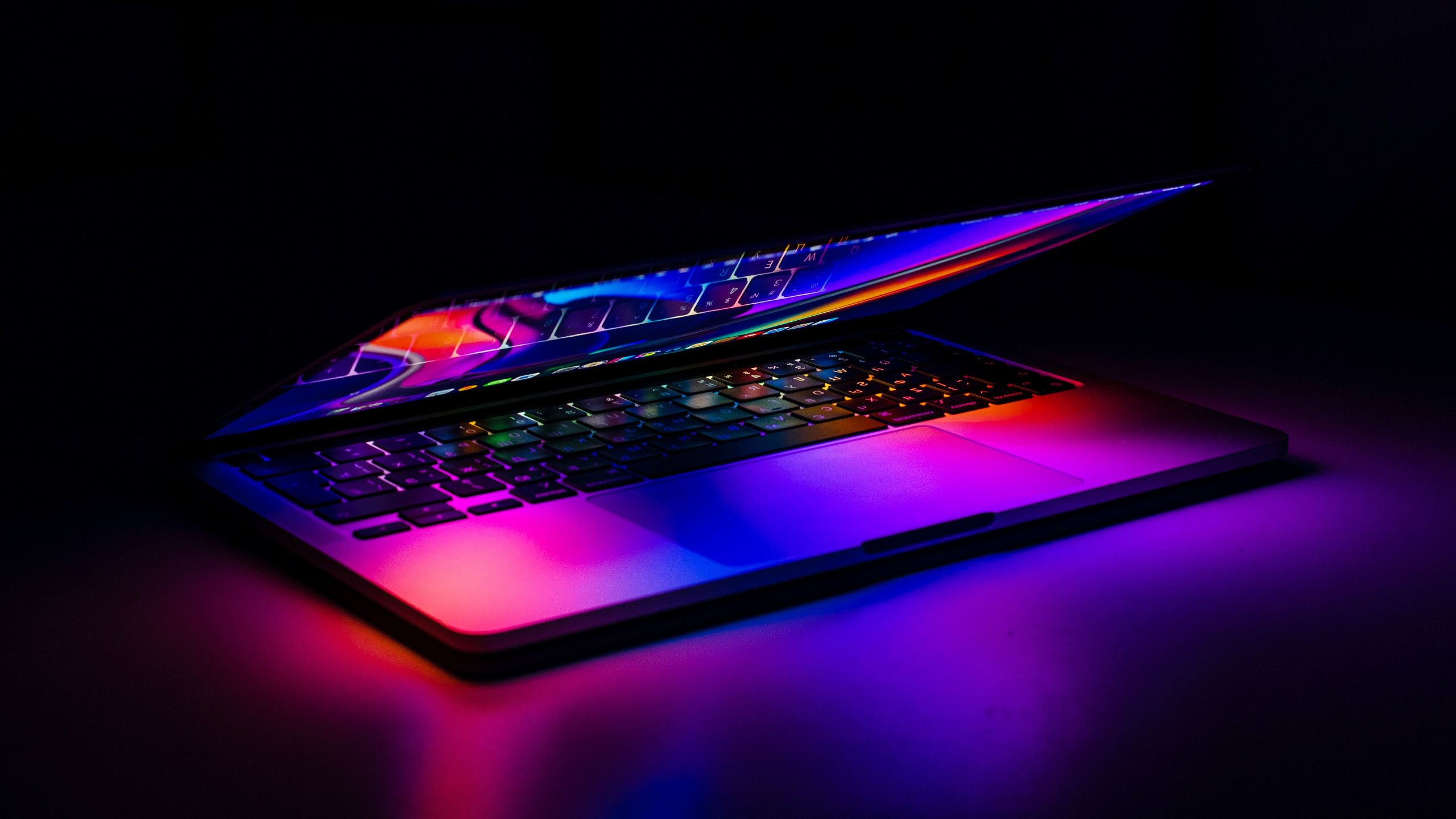
Computer literacy is a basic set of skills for working with computers, other similar devices, software, and information.
Right next to the term "computer literacy" there's almost always a follow-up question: "What's it even for?" Fair enough — modern technology is so friendly these days that whatever you're using, chances are the interface is in your own language, clear, simple, with mnemonic icons and big colorful buttons that all but announce what they're for and which one to press. There's always a setup wizard or tech support one call away, maybe even an AI assistant. And really, the motto of any digital product is "easy, fast, just one button." Anything complicated gets handled for you.
That's great! This approach has made technology more accessible, but it has a flip side too — a lack of transparency. Wherever knowledge is lacking, or decisions are left to other people or to the technology itself, it's easy to run into dishonest people and companies — from scammers and pushy salespeople to services that quietly drain your money through a subscription. The risks vary: sometimes it's just wasted time on something you didn't quite understand, and sometimes information that seemed unimportant at the time turns into a real problem later. When you understand how technology works, you handle your own data and devices with more confidence, you're not afraid to use modern tech, and you have a clearer sense of where your personal boundaries are online — which means you're better protected yourself, and can help protect the people close to you too.
On top of that, interfaces and devices aren't always "friendly," and sometimes you still have to deal with them anyway. Understanding the general principles behind how such technology works will make that a lot easier, and it might well save you time or money.
And computers have made their way into every corner of life — knowing how to use one can be a real asset even in fields that have nothing to do with computers. With that kind of knowledge, you can be useful to others or become a genuinely valuable person to have on a team at work.
And, well, it can just be interesting.
Knowledge is power! And in today's world, computer literacy matters just as much as reading, writing, and arithmetic.
How this is organized
This will be a series of articles that I'll publish as they're ready. I'll try to gather all the necessary information and present it accessibly, moving from simple topics to more advanced ones, without going all the way down to a professional or highly specialized level. Terminology gets spelled out, specific topics come with a note on why they matter, and for the curious, there are links to dig deeper into the material.
The goal of this material is to explain, in plain language, how computers, software, and networks work, and how to use all of it to your benefit — safely, and without being afraid of technology.
You don't need any special preparation to learn about computer literacy, but if you have questions, something's unclear, or you need more explanation on a particular topic — get in touch, I'd be glad to hear your feedback and use it to improve the material.
Structure
Broadly, I've split "Computer Literacy" into three branches:
Each branch will go progressively deeper into its own area and have its own sub-branches of information, and so you don't get lost in that tree, all the articles will link to each other. There will also be a global interactive diagram at the end of every article, letting you see the whole tree at once and quickly jump between topics.
There's no strict reading order — pick whatever topic interests you and dive in!
Interactive diagram
Download PDF
An offline print version of this article — download it, print it, and read it later whenever it suits you.
Newsletter
Get new posts straight to your inbox. No spam, unsubscribe anytime.