Hardware
An article in the "Computer Literacy" series about hardware — currently being written.
Permanent link: https://staticnoise.media/blog/computer-literacy-hardware/
Parent branch: Computer Literacy
Hardware is the physical part of computing technology: the devices you can drop touch.
As a rule, the quality of these components directly affects what a device can do. Programs can also place system requirements on hardware. This is especially important for computer games and for specialized software for professional work with 3D, audio, or video. System requirements come in two kinds: "minimum" and "recommended."
Minimum system requirements are the resources sufficient to launch a program. This means the program will run, but demanding tasks will take longer. Some features may be unavailable.
Recommended system requirements are the computer resources sufficient for the program to work fully. In this case, the program should run quickly, reliably, and the way its developers intended.
But usually, the more popular and modern a device and its hardware are, the more reliably modern software runs on it.
I've divided the topic of hardware into three parts:
- Types of Computing Devices: computers, tablets, smartphones, wearables, smart things. What sets them apart and what they have in common.
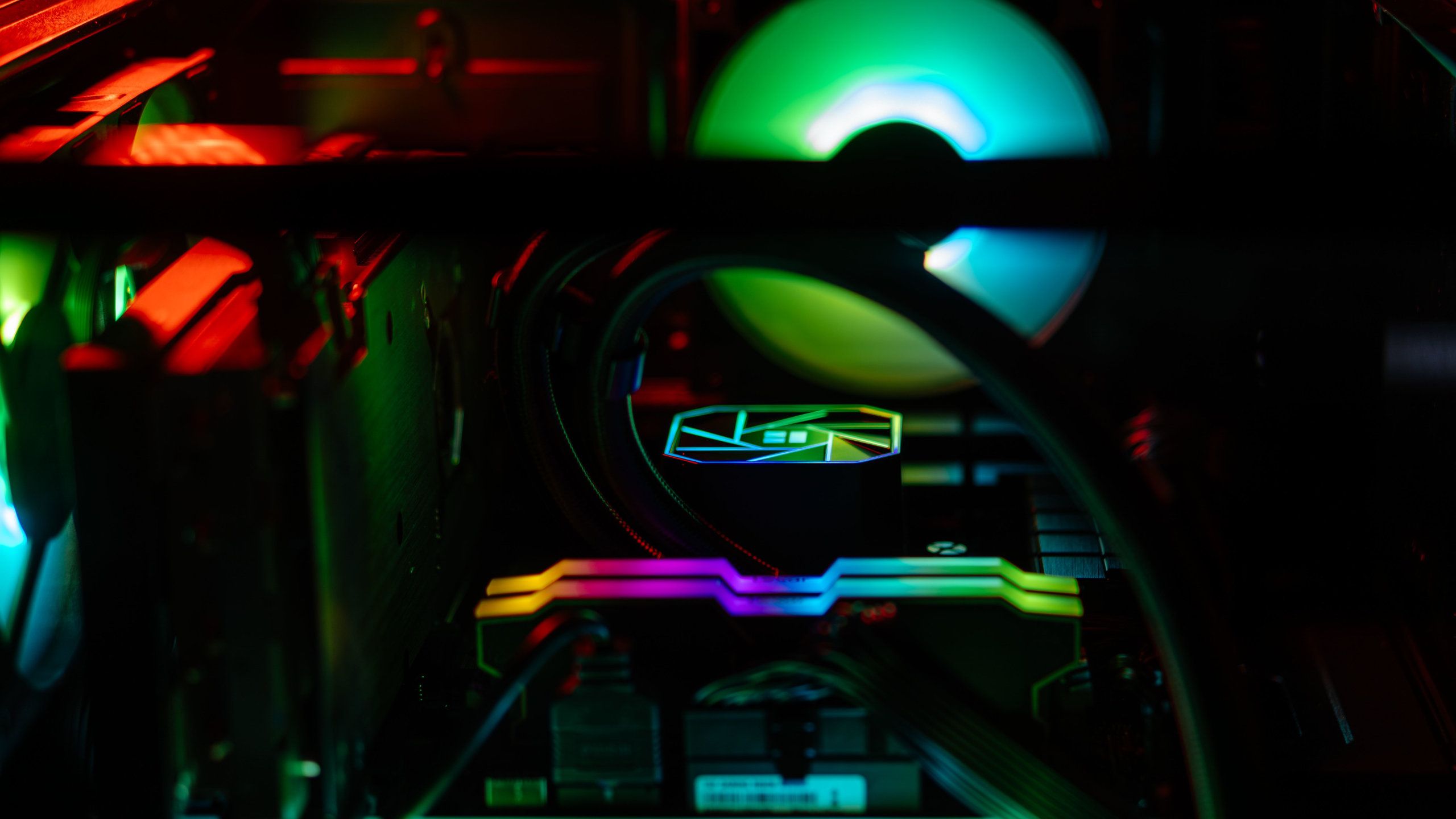
- Internal Components: the ones hidden inside the case that keep the computer or other device working.
- External Devices (Peripherals): the ones that help you interact with a computer or other device, or extend its capabilities.
Interactive diagram
Download PDF
An offline print version of this article — download it, print it, and read it later whenever it suits you.
Newsletter
Get new posts straight to your inbox. No spam, unsubscribe anytime.